As much as he tries to deny it, Donald Trump was the biggest loser in Tuesday’s Democratic blowout. Yet the election was also a resounding defeat for the billionaires and giant corporations who aligned themselves with the Republicans.
At the head of that failure list is Elon Musk, who spent nearly $500 million in support of disastrous candidates such as Ken Paxton in Texas. Paxton’s loss, along with the election of a Democrat to the Texas governorship, represent a sea change in the politics of the Lone Star State. Musk, who has been moving his businesses from California to Texas, now finds himself in hostile territory.
The election results are also a major blow to the tech companies that have relied on the hands-off regulatory approach of the Trump Administration and its Republican enablers in Congress. Those policies will not change immediately, but Democratic control of the House and Senate will limit further damage and pave the way to investigations of the worst abuses. Serious federal oversight over AI now seems like more of a real possibility.
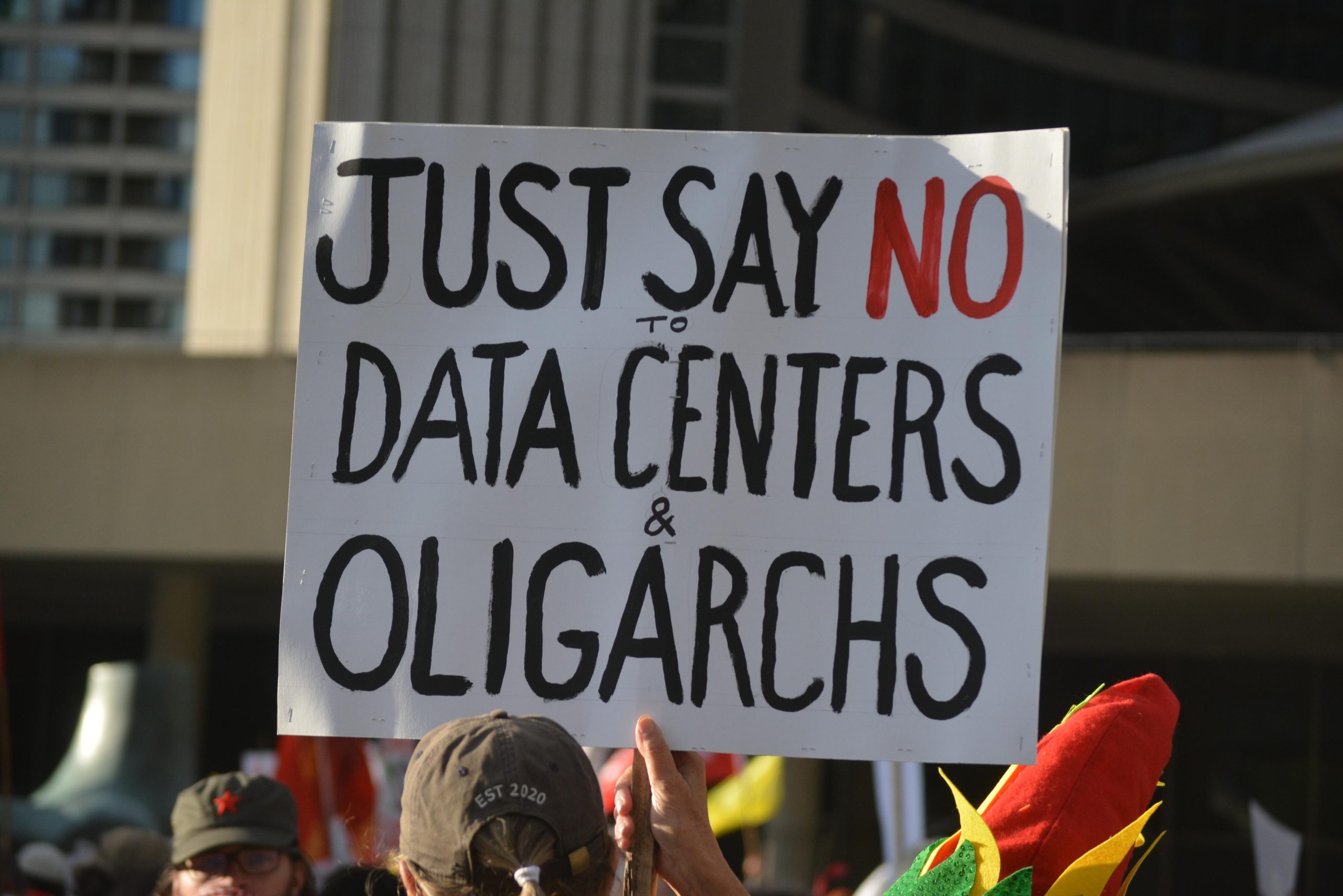
AI and data centers will also face much greater challenges at the state level, given the blue wave of governors and state legislators. This will also be seen at the local level, where dozens of cities and towns voted in favor of data center bans or moratoria.
The future also looks less bright for sleazy sectors such as cryptocurrencies and prediction markets that have benefitted both from weak regulation and the involvement of Trump family interests. Crypto was already teetering as a result of the recent $6 billion hack at Binance.
There may also be rougher times ahead for defense contractors, which have been riding high thanks to Trump’s military interventions and a massive increase in the Pentagon’s budget. A Democrat-controlled Congress will seek to block those actions and rein in the spending. Particularly vulnerable are newer contractors such as Anduril that have benefited from their links to Trump family businesses.
Forcing Trump to end his wrong-headed Middle Eastern maneuvers would work to the detriment of the big petroleum companies, which have been raking in tens of billions of dollars in excess profits from the inflated oil prices caused by disruptions in the Strait of Hormuz.
Some business sectors may benefit from the change in the political climate. For instance, moves by Democrats to restore cuts to ACA subsidies and Medicaid coverage could give a boost to private insurance companies and hospital operators. Yet the practices of drugmakers and pharmaceutical benefit managers could come under stricter scrutiny by Congress. CVS is already hedging its bets in this respect by announcing it will divide its pharmacy and retail operations into two separate companies.
Corporations of all kind will find themselves being investigated by Congressional Democrats who now control committees and their subpoena power. Just this week, Sen. Elizabeth Warren and a group of House Democrats sent a letter to the CEO of McDonald’s demanding information about the fast-food chain’s use of AI-driven pricing tools. Probes of this kind will now carry a lot more weight.
For the past two years, the Trump Administration and the do-nothing Congress have allowed Big Business to act on its worst impulses. Democrats are now in a position to begin pulling in the reins—if they have the will to do so.
You must be logged in to post a comment.