 The year began with a burst of announcements by the Obama Administration of cases it rushed to resolve before leaving office. In the period between election day and the inauguration, the Justice Department and various agencies announced more than $30 billion in fines and settlements.
That flurry of activity disappeared once Donald Trump took office. Agency enforcement activity soon resumed, thanks to the efforts of career officials, but it appears that the volume of cases has declined compared to previous years. The same goes for the Justice Department, where high-profile prosecutions of large companies have continued but have become less frequent. Here is a rundown of selected major cases resolved during 2017, divided between the two administrations:
Obama Cases
Sale of Toxic Securities: Two of the year’s biggest penalties came in cases stemming back to the period leading up to the financial meltdown in 2008. During its final days the Obama Justice Department got Deutsche Bank to agree to pay $7.2 billion to resolve allegations that it misled investors in the sale of mortgage-backed securities. A day later it announced that Credit Suisse would pay $5.3 billion in a similar case. Moody’s reached an $864 million settlement with the federal government and 21 states for providing flawed credit ratings on what turned out to be toxic securities.
Money Laundering. In January Western Union agreed to forfeit $586 million and entered into agreements with the Justice Department and the Federal Trade Commission to resolve criminal allegations that it failed to maintain an effective anti-money-laundering system and that it abetted wire fraud.
Environmental Fraud: In January the Justice Department announced that Volkswagen would plead guilty to three felony counts and pay a $2.8 billion penalty to resolve the criminal charges brought against the automaker in connection with its scheme to use a device to cheat on emissions tests.
Auto Safety Fraud: In January Takata Corporation agreed to pay a $1 billion criminal penalty in the case brought against the Japanese company for fraudulent conduct in the sale of defective airbag inflators.
Trump Cases
Sale of Toxic Securities: In July the Federal Housing Finance Agency announced that Royal Bank of Scotland would pay $5.5 billion to settle allegations relating to the sale of mortgage-backed securities to Fannie Mae and Freddie Mac.
Export Control Violations: In March the Commerce Department’s Bureau of Industry and Security announced that the Chinese company ZTE would pay $661 million to resolve allegations that it shipped telecommunications equipment to Iran and North Korea in violation of U.S. export restrictions.
Bribery: In September the Swedish telecommunications company Telia was fined $457 million by the Securities and Exchange Commission for violating the Foreign Corrupt Practices Act through illicit payments to government officials in Uzbekistan.
False Claims Act: In August the pharmaceutical company Mylan agreed to pay $465 million to settle allegations that it misclassified its EpiPen devices as generic drugs to avoid paying rebates to Medicaid.
Illegal Drug Promotion/Distribution: In July the U.S. Attorney’s Office in Los Angeles announced that Celgene would pay $280 million to settle allegations that it illegally promoted two cancer medications for uses not approved by the Food and Drug Administration. In September AmeriSourceBergen pled guilty and agreed to pay a total of $260 million to resolve criminal liability for its distribution of oncology supportive-care drugs from a facility that was not registered with the FDA.
Foreign Exchange Violations: In July the Federal Reserve Board fined the French bank BNP Paribas $246 million for failing to prevent its foreign exchange traders from engaging in market manipulation. In September the Fed fined HSBC $175 million for the firm’s unsafe and unsound practices in its foreign exchange trading business.
Consumer Protection: In August the Consumer Financial Protection Bureau fined American Express $96 million for discriminating against consumers in Puerto Rico, the U.S. Virgin Islands, and other U.S. territories by providing them with credit and charge card terms that were inferior to those available in the 50 states.
Price-Fixing: In May the Justice Department’s Antitrust Division announced that Bumble Bee Foods would pay a criminal fine of $25 million in connection with price-fixing of shelf-stable tuna.
Workplace Harassment: In August the Equal Employment Opportunity Commission announced that Ford Motor would pay up to $10.125 million to workers affected by sexual and racial harassment at two company facilities in the Chicago area.
Fair Labor Standards Act: In March the Labor Department’s Wage and Hour Division announced that the Walt Disney Company would pay $3.8 million in back wages to workers affected by violations of minimum wage and overtime rules.
Environmental Violation: In October Exxon Mobil agreed to pay a penalty of $2.5 million and spend $300 million on air pollution controls to resolve allegations that it violated the Clean Air Act by failing to properly operate and monitor industrial flares at its petrochemical facilities.
Note: Additional details on all these cases can be found in Violation Tracker. During 2017 my colleagues and I expanded the database to 300,000 entries with total penalties of $400 billion. Coverage now includes cases from more than 40 federal regulatory agencies and all divisions of the Justice Department dating back to the beginning of 2000.
 Home Depot is the latest company to join the bonus bandwagon, announcing that it will give hourly employees one-time payments of up to $1,000 as a “reward to our associates for continuing to deliver outstanding customer service.” CEO Craig Menear added: “This incremental investment in our associates was made possible by the new tax reform bill.”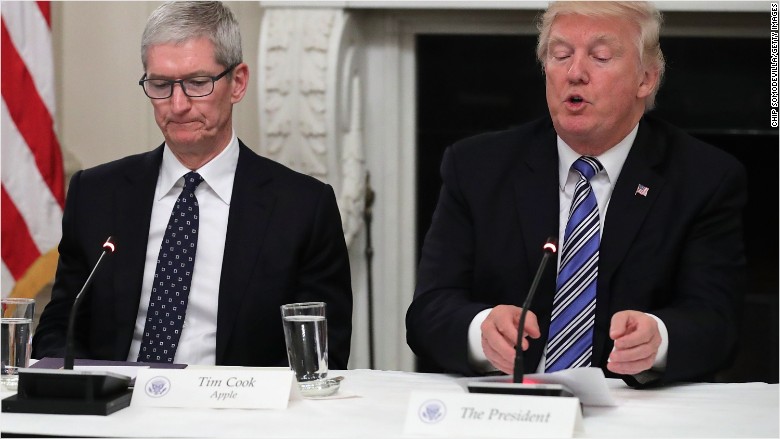
 Donald Trump got a lot of mileage during his presidential campaign from criticizing the poor record of wage growth during the Obama era. Since taking office he has done nothing to directly address the issue. In fact, his administration’s attacks on labor rights have made it more difficult for workers to push for higher pay through unions.
 Money laundering has jumped back to the top of the corporate crime charts, thanks to Steve Bannon’s statements about Trump’s associates as well as the
 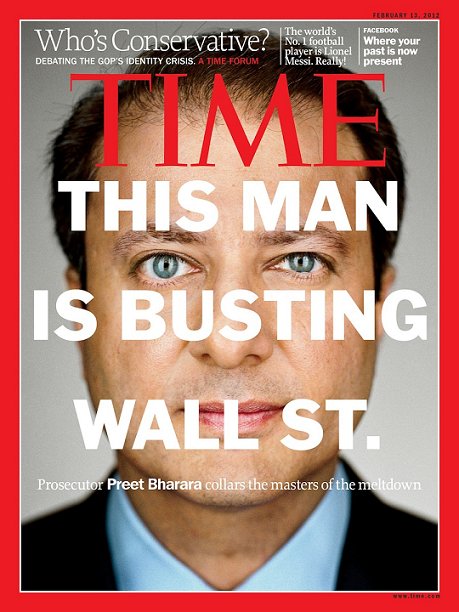 When Donald Trump fired dozens of U.S. Attorneys last March, there was speculation that the main objective was to remove some, especially Preet Bharara in Manhattan, who might be investigating the president’s business interests.
 It’s refreshing to see the book thrown at a corporate criminal, but it would have been even better if federal prosecutors had aimed higher.
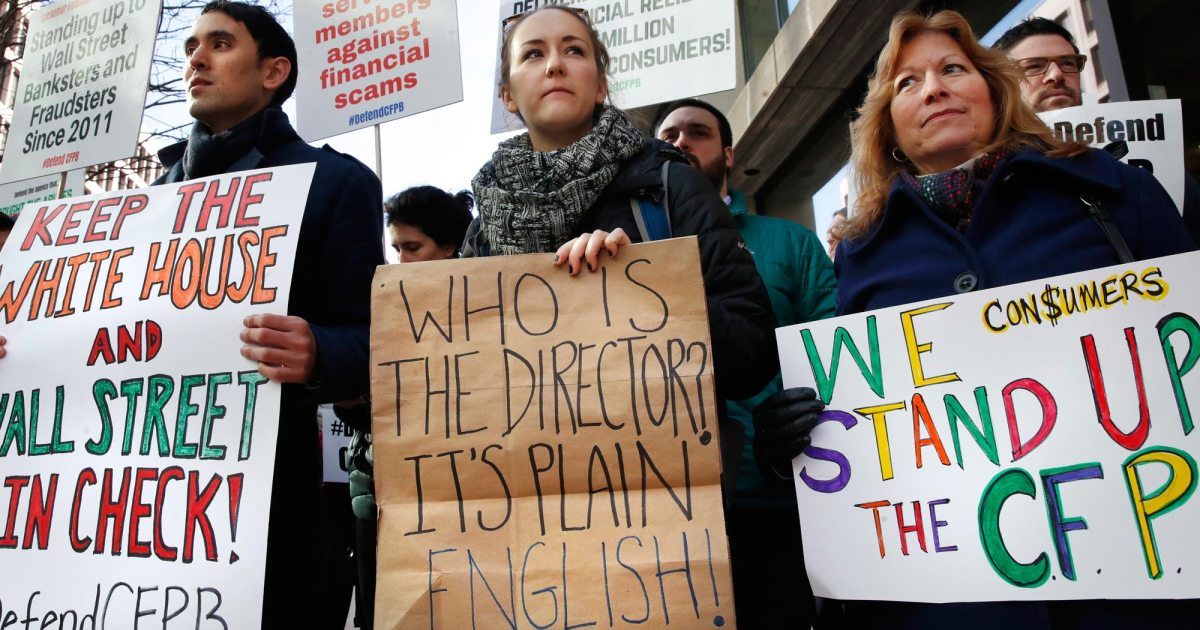 The world according to Trump is one of grievances and victimhood. During the presidential campaign he got a lot of mileage by appearing to empathize with the travails of the white working class and promising to be their champion in fighting against the impact of globalization and economic restructuring. At times he even seemed to be adopting traditional left-wing positions by criticizing big banks and big pharma.
 It appears that the Trump Administration will not rest until every last federal regulatory agency is under the control of a corporate surrogate. The reverse revolving door is swinging wildly as business foxes swarm into the rulemaking henhouses.
 Large corporations in the United States like to portray themselves as victims of a supposedly onerous tax system and a supposedly oppressive regulatory system. Those depictions are a far cry from reality, but that does not stop business interests from seeking to weaken government power in both areas.
You must be logged in to post a comment.