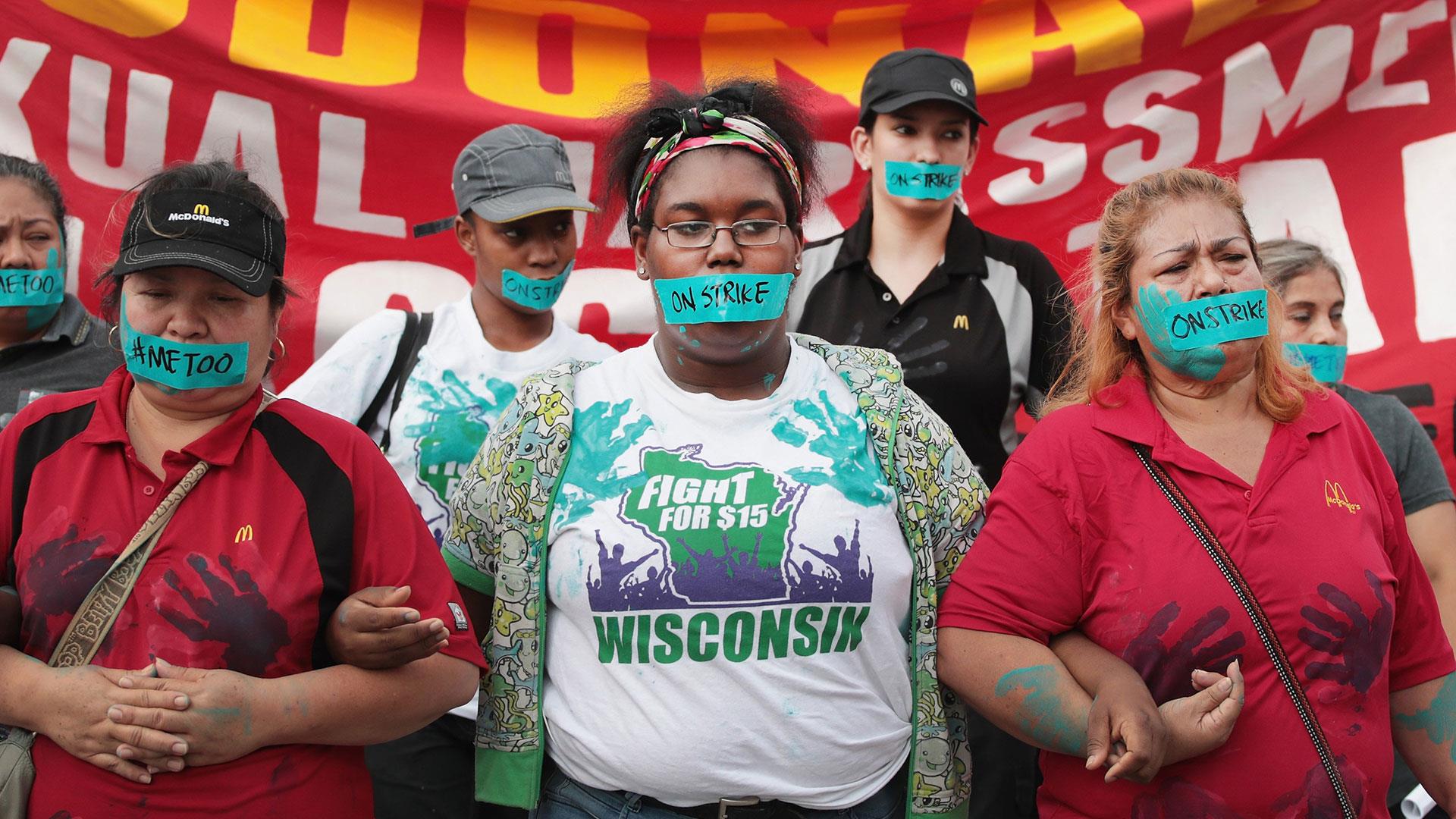
 People who are subjected to sexual harassment on the job are too often left to confront their abusers on their own. Those with means can hire high-powered legal help, as Gretchen Carlson did in her lawsuit against 21st Century Fox that resulted in a $20 million settlement. Other survivors of abuse may not get justice.
A new initiative by Fight for $15 is making the fight against workplace harassment a collective rather than an individual struggle. In a bold new initiative for the labor movement, the campaign recently organized work stoppages at McDonald’s fast-food outlets in ten cities to protest harassment and to highlight complaints filed earlier this year with the U.S. Equal Employment Opportunity Commission.
This will not be the first time the EEOC has heard reports about such practices at McDonald’s. In 2010, for example, the company had to pay $50,000 to settle allegations of harassment by an assistant store manager in New Jersey who was reported to have touched and spanked a teenage worker.
For years, the company failed to take adequate action to deal with repeated instances in which female workers were falsely accused of stealing customer property and strip-searched by managers in response to phone calls from individuals pretending to be law enforcement officers. In 2007 McDonald’s had to pay $6.1 million to settle a lawsuit filed by a young worker in Kentucky who was also molested.
The decision of a state appeals court upholding the damage award noted that similar incidents had occurred more than 30 times at McDonald’s outlets. The ruling went on to say: “McDonald’s corporate legal department was fully aware of these hoaxes and had documented them. The evidence supports the reasonable conclusion that McDonald’s corporate management made a conscious decision not to train or warn store managers or employees about the calls.”
Corporate decisions not to take steps to protect workers were also behind many of the more than 275 cases documented in Violation Tracker in which corporations paid to settle sexual harassment allegations brought with the involvement of the EEOC. These cases together have yielded $132 million in penalties.
The tally goes back to 2000, but cases continue to the present. Among the most recent ones are the $3.75 million harassment settlement signed by Koch Foods involving poultry workers in Mississippi who also alleged racial and national origin discrimination as well as the $3.5 million settlement by outsourcing company Alorica in connection with allegations that a group of customer service representatives in California were subjected to a sexually hostile work environment.
To supplement the EEOC actions I’m in the process of collecting data for Violation Tracker on class action and individual lawsuits brought by workers separate from the agency. These will cover harassment claims as well as cases involving discrimination by employers based on gender, race, national origin, religion, sexual orientation, disability and age discrimination. I’ve already tallied more than $1 billion in settlements and verdicts involving the largest corporations.
It’s great that the MeToo and the Fight for $15 movements are highlighting the continuing problems of harassment on the job. I look forward to the day when there will not be so many such cases to document.
Note: The latest update to Violation Tracker has just been posted.
 Ten years ago this month, the financial crisis erupted, and within a matter of weeks the banking landscape was transformed. Merrill Lynch was taken over by Bank of America. Lehman Brothers collapsed. AIG had to be bailed out by the federal government. Goldman Sachs and Morgan Stanley, the last two independent investment houses, were forced to become bank holding companies subject to stricter regulation. JPMorgan Chase took over Washington Mutual. Congress was compelled to create the $700 billion Troubled Asset Relief Program.
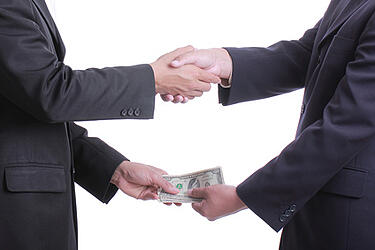 Millions of words have been published about Donald Trump’s feud with the Justice Department over the Mueller investigation. Little is being written about another way in which DOJ is thwarting the president’s will: the ongoing prosecution of foreign bribery.
 The Trump Administration has left little doubt that one of its main missions is to roll back the regulatory initiatives of the Obama years, especially the Clean Power Plan and the Consumer Financial Protection Bureau. Although Trump has been less overt about it, his corporate-friendly approach also includes weakening rules that have been around for decades.
 Kudos to Sen. Elizabeth Warren for introducing a piece of legislation that filters out all the political noise and goes to the heart of one of the most pressing issues of the day: what can be done to change the behavior of large irresponsible corporations? Her answer: quite a lot.
 The Trump Administration likes to play with fire. Now it may be playing with a fire-resistant material that is also a deadly carcinogen. After years of receding as a public health threat, asbestos could make a comeback.
 The Justice Department and the federal regulatory agencies have been less than energetic in prosecuting corporate crime and misconduct lately, so it was interesting to see the DOJ
  In the early days of the Trump era, there was
  Donald Trump got elected in 2016 essentially by promising everything to everyone except immigrants and environmentalists. In the economic realm he vowed to resurrect dying industries such as coal, to achieve trade supremacy over the rest of the world, to dismantle the regulatory state, and to bring about growth rates not seen for decades. Now those corporate executives who sold their soul to Trump are realizing he cannot deliver on all those promises.
You must be logged in to post a comment.