Rarely before has there been a time when the public discussion of large corporations is so focused on their potentially catastrophic impact on the human race. Say what you will about the tobacco industry, for instance, but no one ever suggested it threatened the survival of the species as a whole. Today such speculation is rampant when it comes to Big Tech’s creation of AI agents that may be beyond human control.
At the same time, Big Oil is facing a wave of lawsuits accusing it of bringing about a climate crisis that is threatening the lives of millions from excessive heat, drought, flooding, and other forms of extreme weather. In this case, the disasters are not speculative but all too real.
There is a troubling lack of consensus on how—or even whether—to hold the corporate giants accountable for the harms their products have caused and will cause. In the past, such harms were addressed in two main ways: regulation and private litigation.
Both of these tools are now in question. Depicting both rogue AI and the climate crisis as hoaxes, the Trump Administration is taking deregulation to absurd lengths. All federal controls on greenhouse gas emissions are being eliminated, and Trump has concluded that industry self-policing is all that is required for AI.
Oil companies, automakers, fossil-fuel-burning utilities, and other sectors are thrilled to be free from federal restraints. The AI giants, despite having issued calls not long ago for strong government intervention, now seem pleased to go along with Trump’s hands-off approach.
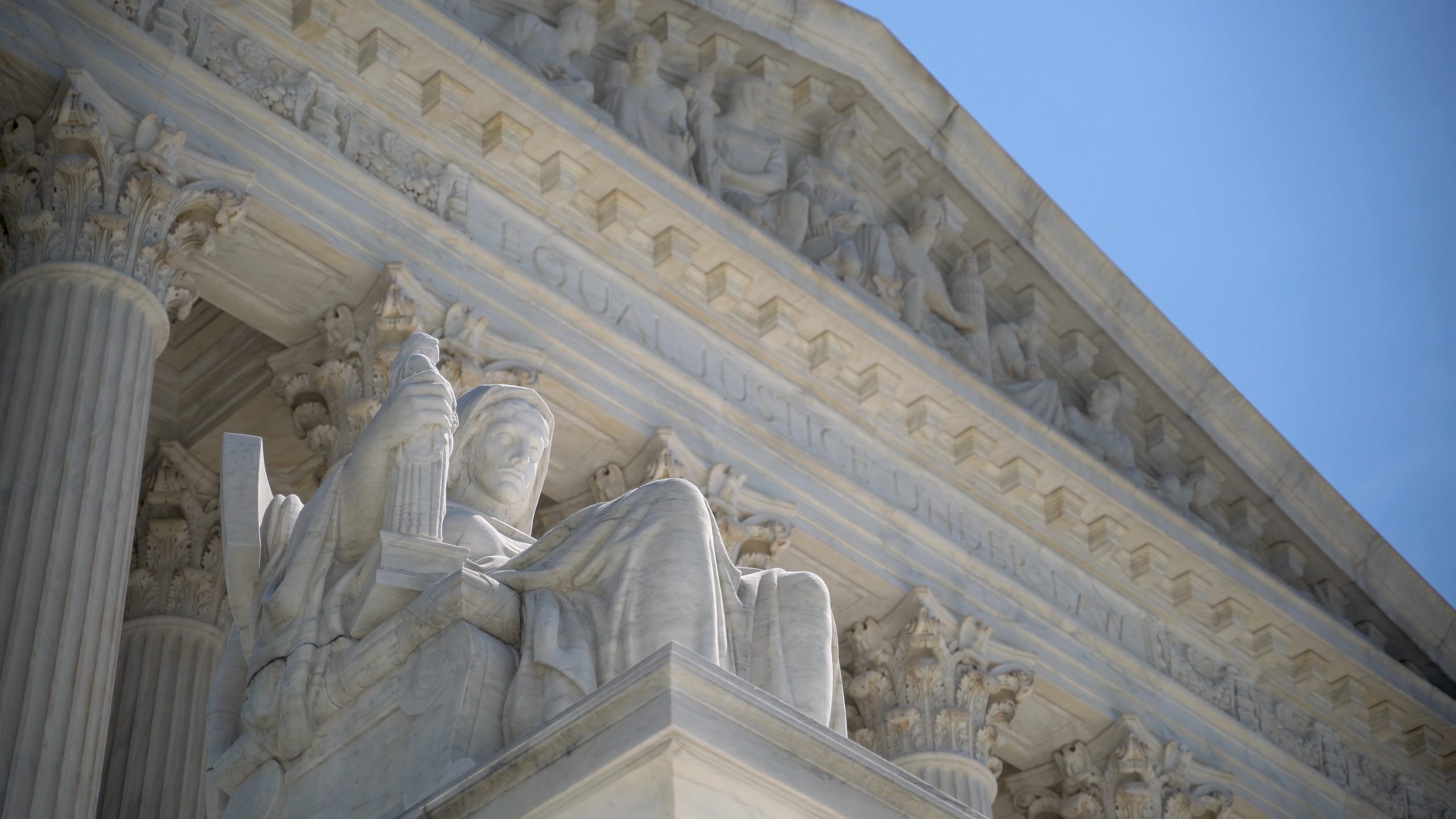
With serious regulation sidelined for now, it is unclear whether the courts can fill the accountability gap. This question is now being addressed in the Supreme Court, which just held oral arguments in a case that will determine whether states and localities can sue companies over climate issues. The Court already ruled in 2011 that federal common law nuisance claims were impermissible.
While the current case, which concerns a lawsuit brought by Boulder, Colorado against ExxonMobil and Suncor Energy, may end up focusing on technical issues of standing, the Justices are already paying attention to the bigger picture. They acknowledged that if the Boulder case is allowed to proceed, it will open the floodgates to many more such actions. Dozens have already been filed by state and local governments around the country.
There are two ways of looking at such a torrent. ExxonMobil et al. are, of course, seeking to prevent it by getting the Court to rule that federal law should govern or by convincing the Justices that the lawsuits would have dire economic consequences. In effect, they are arguing that the disaster that would befall them should be given more consideration than the disasters their decades of climate recklessness have brought about.
It is telling that the corporations don’t even consider the possibility they could prevail in the lawsuits. Instead of defending their position in the courts, they are seeking a form of impunity.
On the other hand, punishing lawsuits may be just what we need to address the harms caused by the fossil fuel industries.
Trump’s deregulatory crusade is bad news, but it will hopefully be reversed by the next administration. If the Supreme Court restricts climate litigation, that will endure for many years to come. It could also affect the viability of lawsuits against the AI companies.
Ideally, society should be able to rectify corporate misconduct both through regulatory enforcement and litigation. Losing both of these forms of redress would be a true disaster.
You must be logged in to post a comment.